These are the 26 simplistic things I’m focusing on this year to reclaim my peace, and how you can too. Gentle habits, intentional boundaries, and quiet choices that bring you back to yourself. Not by adding more but letting go of what no longer serves you.
26 Simplistic things to reclaim your peace this year…
Peace doesn’t usually disappear all at once. It slowly slips away in the clutter, the noise, the overcommitment, and the constant pressure to do more. Somewhere along the way, life becomes heavier than it needs to be, and calm starts to feel like a luxury instead of a baseline. The good news? Reclaiming your peace doesn’t require a complete life overhaul or dramatic change.
Often, it’s the small, simplistic shifts that make the biggest difference. The gentle habits, intentional boundaries, and quiet choices that bring you back to yourself. This year, I’m focused on reclaiming my peace in every aspect of life. In doing so, I’m sharing 26 simplistic things to help you reclaim your peace this year. Not by adding more to your plate, but by thoughtfully letting go of what no longer serves you.
Simplistic things you can do now…
1. Aligning your life with your values
Aligning your life with your values is one of the most powerful ways to reclaim your peace. When your choices reflect what truly matters to you, life feels lighter and more intentional. Start by identifying your core values — things like family, health, honesty, creativity, or freedom — and use them as a filter for decisions. In your personal life, this might mean prioritising time at home over constant social obligations. At work, choose projects that align with your strengths or set boundaries around tasks that don’t support your long-term goals.
2. Say no to being a people pleaser
People pleasing often comes from a good place, but it quietly erodes your peace over time. When you’re constantly trying to keep everyone else happy, your own needs are usually the first to be sacrificed. Begin by noticing where you say yes out of guilt or fear rather than genuine desire. Allow yourself to decline invitations without overexplaining. Share your honest capacity instead of automatically taking on more.
“Inner peace is built in the quiet choices you make every day to honour your time, energy, and values.”
3. Surrounding yourself with people who support your values
Surrounding yourself with people who share your values creates a sense of ease and belonging that supports your peace. Relationships feel less draining when there’s mutual understanding and respect. Nurture connections that encourage growth, honesty, and balance. Seek out colleagues who value collaboration, integrity, and clear communication — and limit time spent engaging in negativity or constant comparison where possible. leaves little room for joy, creativity, or rest.
4. Learning to say no instead of yes
Learning to say no when you really want to is an act of self-respect. Every yes you give costs time, energy, and attention — and those resources are limited. Practice pausing before responding, giving yourself space to check in with how you truly feel. Protect important family time on evenings or weekends. Don’t commit to additional responsibilities at work if you know deep down you’re taking on too much. Take proper breaks and recognise that doing fewer things well is often more impactful than doing everything.
“Peace grows quietly when your life begins to align with what truly matters to you.”
5. More room for what truly matters
Overcommitting leaves little room for joy, creativity, or rest. When your schedule is too full, even the things you love can start to feel like obligations. Begin leaving intentional white space in your calendar. Time that isn’t assigned to productivity or responsibility. Allow time to pursue your passions and protect time for hobbies. Leave space for quiet mornings or movement you enjoy.
Reclaiming your peace through these simplistic things…
Simplicity doesn’t mean simpleness. Rather, it is an effortless blending of structure, routine and harmony while still creating an interesting and engaging life. Simpleness is easy to accomplish as it is uninspired and often just a combination of elements that appear to fit together but do not. Simplicity, on the other hand, requires crafting a delicate balance between every aspect of life.
6. Start your day without rushing
Mornings set the emotional tone for the rest of the day, and when they begin in a rush, that sense of urgency often follows us throughout the day. Waking up just 10–15 minutes earlier than necessary can create a buffer between rest and responsibility, allowing your nervous system to ease into the day. Use this time for something grounding. Sitting quietly with a warm drink, stretching, journaling, or simply breathing without distraction. Delaying phone use, even briefly, helps you start the day intentionally rather than reactively.
7. Build small pauses into your day
Peace doesn’t always come from long breaks or time off; often it’s found in small moments of intentional pause. Stepping outside for fresh air, gently stretching your body, or taking three slow breaths between tasks can help reset your focus and lower stress levels. These micro-breaks signal to your body that it’s safe to slow down, making it easier to stay present and avoid burnout. Over time, these small pauses add up, creating a day that feels more spacious and manageable.
“Peace begins the moment you stop asking more of yourself than your life can reasonably hold.”
8. Choose meals and routines that support your energy
What and how you eat play a significant role in how calm and steady you feel throughout the day. Keeping meals simple, nourishing, and familiar reduces decision fatigue and removes unnecessary stress around food choices. Repeating a handful of go-to breakfasts or lunches can free up mental energy for more meaningful decisions. Pairing this with consistent daily routines, such as regular meal times or evening wind-down habits, helps create a sense of rhythm and stability, making peace feel more attainable and sustainable.
9. Create a morning routine
Habits are a great way to encourage peace and calm in the home. I follow a simple morning routine to start my day. Using an App like Structured allows you to create your routine and receive a gentle reminder at the time you set each morning. I like to incorporate a few simple things, such as making the bed, yoga, journalling and enjoying a cup of tea to set the tone for my day.
Simplistic things to reclaim your peace and your home…
Reclaiming peace at home is an act of self-care that reduces cortisol levels and visual noise. Here are ways to reclaim your peace at home through decluttering, organising, and establishing routines.
10. Tackle surface clutter first for instant relief
When life feels overwhelming, cluttered surfaces often amplify that stress without us even realising it. Firstly, starting with high-impact flat surfaces like kitchen counters, bedside tables, desks, or entryways delivers immediate visual calm. Clearing these areas reduces “visual noise,” making your space feel safer and more manageable to your nervous system. You don’t need to organise perfectly, but simply removing excess items and leaving only what’s used daily can create an instant sense of relief and control.
11. Use the “one in, one out” rule
Maintaining peace in your home isn’t just about decluttering once; it’s about preventing clutter from slowly returning. For this reason, creating a simple boundary around consumption and accumulation is helpful. In addition, you can use methods like the “one in, one out” rule. Each time a new item enters your home, an old or unused one leaves, keeping your space balanced. This habit encourages intentional purchases and ensures your organisational efforts are sustainable rather than short-lived.
“A calmer life isn’t created through doing more, but through gently letting go of what no longer belongs.”
12. Designate a specific “home” for everything
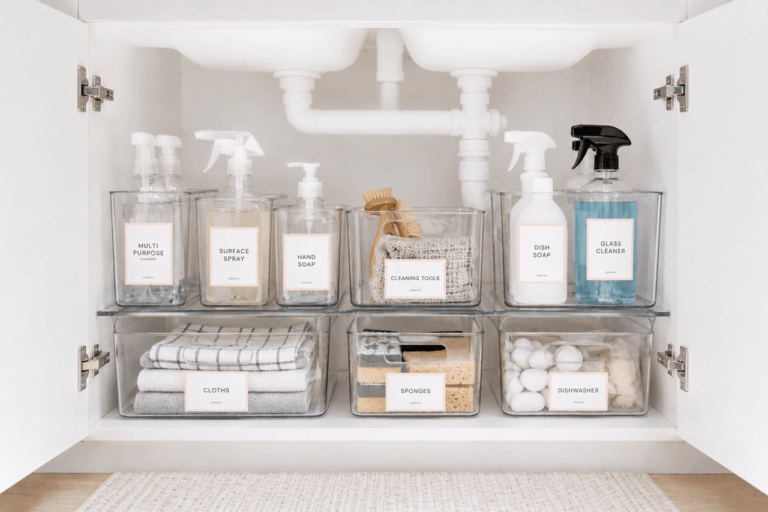
Clutter often forms not because we have too much, but because items don’t have a clear place to belong. Assigning a permanent home for frequently used or commonly misplaced items — like keys, mail, chargers, or remote controls removes daily frustration. Using clear or labelled storage makes it easy for everyone in the household to follow the system. As a result, when items consistently return to the same spot, your environment becomes calmer and easier to maintain.
13. Establish a “launch pad” or mudroom zone
Creating a designated drop zone near your entry helps eliminate one of the most common daily stressors: the frantic search for essentials on the way out the door. A simple setup with hooks for backpacks and bags, a tray or basket for shoes, and a clearly defined spot for keys, library books, and mail keeps items from migrating into living areas. This zone supports smoother mornings, calmer departures, and easier returns home, reducing frustration for everyone in the household.
Simplistic things you can do to reclaim your peace using routines…
14. Establish a “Nightly Reset” Routine
I swear by this as one of the best habits I’ve implemented in my home. I dedicate 5–15 minutes each evening before bed to do a quick reset and return items to their “homes”. This prevents morning overwhelm and ensures you wake up to a neutral, calm environment. Reclaim a peaceful start to your mornings by ensuring the dishes are washed, the bins are empty, and benches and tables are clear. Do a quick tidy in the main living areas. Put toys and belongings away, straighten cushions and throw blankets and ensure floors are clear before bed. Waking up to a neutral, tidy space significantly lowers cortisol levels for the start of the next day.
15. Incorporate scent and sound rituals
Sensory rituals are a powerful yet often overlooked way to create calm and mark transitions throughout the day. Using a specific scent or sound, such as lighting a candle in the morning, diffusing essential oils in the evening, or playing a gentle “reset” playlist while tidying, signals to your nervous system that it’s time to slow down or shift focus. These cues help anchor you in the present moment and create a sense of rhythm and safety. Over time, these small rituals become familiar and comforting, making daily routines feel more intentional and soothing.
A gentle reminder…
Peace is built through repetition, not reinvention. You don’t need to do all of these. Choosing just one or two to start with is enough to create meaningful change over time.
16. Implement a digital declutter routine
Digital clutter can be just as mentally draining as a physical mess, even though it’s less visible. Taking time each week to unsubscribe from unnecessary emails, delete unused apps, and clear your desktop can significantly reduce mental fog and overwhelm. A cleaner digital space makes it easier to focus, find what you need, and feel more in control of your time. Treat this as a gentle reset rather than a perfection exercise; even small improvements can bring noticeable relief
17. Create zones for daily activities
Organising your home into functional zones helps support the way you actually live, rather than forcing constant decisions throughout the day. For example, a designated drop zone for school bags, a coffee station for mornings, or a quiet reading nook for winding down adds structure and flow to your space. These zones reduce decision fatigue by making it obvious where things go and what happens in each area. Most importantly, when your environment works with you, daily routines feel smoother and far less draining.
“Inner peace isn’t found by controlling everything around you, but by choosing what deserves your energy.”
Reclaiming your peace isn’t about perfection or rigid rules — it’s about awareness and intention. When you begin aligning your choices with your values, setting gentle boundaries, and creating space for what truly matters, peace starts to feel more accessible. All of a sudden, these foundational shifts create the breathing room needed for bigger, more tangible changes.
As a result, doing simplistic things to reclaim your peace through everyday actions that support this way of living will create a calmer, more balanced year ahead. Small but meaningful habits you can weave into your routines to protect your energy, quiet the noise, and promote calm and peace.
Reclaim your peace and your time…
18. Say no to one unnecessary commitment each week
Saying no doesn’t mean you’re letting others down; it means you’re honouring your time, energy, and values. Practising the habit of declining one unnecessary commitment each week creates breathing room in your schedule and helps prevent burnout. Use that reclaimed time to rest, move your body, or do something that genuinely brings you joy. Over time, this simple boundary reinforces the idea that peace isn’t found in doing more, but in choosing what truly matters.
19. Limit how often you check emails and messages
Constant notifications keep your nervous system in a reactive state, making it difficult to focus or fully rest. A simplistic thing to reclaim your peace could be choosing specific times to check emails and messages, allowing you to respond with intention rather than urgency. At work, this protects your concentration and helps you complete tasks more efficiently. At home, it creates mental space to be present with yourself and others, reducing the feeling that you’re always “on” or behind.
20. Simplify one area of your environment at a time
Decluttering doesn’t need to be an all-day event to be effective. Focusing on just one small area, a drawer, handbag, shelf, or digital folder, can bring immediate mental relief. Therefore, reducing visual noise helps your mind feel calmer and more organised, often faster than tackling large spaces. These small wins build momentum and confidence, making it easier to maintain a peaceful environment over time.
“You don’t need a quieter world — just clearer boundaries and kinder choices for yourself.”
21. Protect one non-negotiable boundary
Boundaries are essential for protecting your energy and preventing burnout. Choosing just one non-negotiable boundary makes the practice feel manageable and sustainable. This might look like no work emails during a set time, uninterrupted family dinners, or a weekly block of personal time that’s treated with the same importance as any other commitment. When boundaries are clear, your time feels more respected by both yourself and others.
22. Consume content intentionally
The content you consume has a direct impact on how you feel. Unfollowing accounts that trigger comparison, urgency, or overwhelm creates instant emotional space. Replacing mindless scrolling with intentional activities, like reading, journaling, or quiet reflection, helps your mind slow down and reset. Over time, this shift supports clarity, creativity, and a deeper sense of peace in everyday life.
Reclaiming your financial peace…
Apart from finding our peace from within, it’s also important to focus on external aspects of life that contribute to our inner peace. An important one is our financial peace, as money influences a large part of daily life. Focusing on money habits is just one of the simplistic things you can do to reclaim your peace this year. Reclaiming financial peace this year involves more than just balancing a chequebook; it requires a holistic approach that combines practical habits with a shift in your psychological relationship with money.
23. Create a simple spending pause rule
Impulse purchases often happen when we’re tired, emotional, or overwhelmed. Implementing a simple 24-hour pause before non-essential purchases creates space between desire and decision. This brief delay allows you to check in with your values and determine whether the purchase truly supports your life. Over time, this habit encourages more intentional spending and reduces clutter, regret, and financial stress.
24. Create a “home” for your important papers
Paper clutter often creates unnecessary stress because it’s tied to responsibility and deadlines. Choosing one simple folder or drawer for important documents, such as bills, warranties, medical papers, or contracts, removes the anxiety of searching when you need something quickly. You don’t need a complex filing system; consistency matters more than perfection. Knowing exactly where your papers live brings instant peace of mind.
“When your space, schedule, and mindset begin to align, peace follows naturally.”
25. Automate bills where possible
Financial stress is often rooted in mental overload. Automating bills removes the constant need to remember due dates, check accounts, and worry about late payments. Once set up, this system quietly supports you in the background, freeing up mental energy for more meaningful priorities. Fewer financial tasks to track means less stress and more mental clarity.
26. Review subscriptions every few months
Subscriptions can quietly drain both finances and attention, especially when they go unnoticed. Setting a reminder to review subscriptions every few months helps you reconnect with what you actually use and enjoy. Cancelling what no longer serves you simplifies your financial landscape and creates a sense of control. Fewer monthly charges often equal more clarity, confidence, and peace.
Practice gratitude to reclaim your inner peace…
End the day with gratitude or reflection
Ending your day with a moment of reflection helps shift your focus away from what felt busy or stressful and toward what felt calm or meaningful. Writing down just one thing that went well or brought you peace gently trains your mind to notice the good, even on challenging days. This simple practice creates emotional closure, making it easier to rest and begin the next day with a clearer, more grounded mindset.
Reclaiming your peace holistically…
Reclaiming peace is about holistic simplicity—shifting from rigid “productivity” to gentle, rhythmic habits that ground your nervous system. For instance, a well-functioning vagus nerve allows you to transition smoothly between stress and relaxation. It is the primary channel for the parasympathetic nervous system, which oversees involuntary functions like heart rate, digestion, and immune response. Acting as a physiological “brake pedal” to counteract the high-alert “fight-or-flight” sympathetic state. Signalling your body to return to a state of safety after a perceived threat
When the parasympathetic system is dominant, it focuses on energy conservation, tissue repair, and internal maintenance. The benefits allow your body to quickly shift from a fast heartbeat (stress) back to a slow and steady rhythm ( calm). As well as physically relaxing the body, an unclenched jaw, relaxed shoulders and the ability to fall asleep easily and wake up feeling recharged. Maintaining a deep feeling of peace and calm within the body.
The Vagus Nerve…
Furthermore, you can “tone” your vagus nerve and, in turn, create a sensation of peace and calm internally, through daily habits such as diaphragmatic breathing (specifically long exhales), cold water exposure, humming, singing, and maintaining positive social connections. Consistent repetition of these practices builds neuroplasticity, making it easier for your nervous system to stay calm under pressure. Always consult a physician before starting cold exposure or new exercise routines.
26 simplistic things to reclaim your peace and allow calm to flow back into your life
Reclaiming your peace doesn’t require doing everything at once or getting life perfectly organised. It’s built slowly, through small, intentional choices that support your values, protect your energy, and simplify your days. Each simplistic shift you make creates a ripple effect, less noise, more clarity, and a deeper sense of ease in both your home and your mind.
As you move through this year, allow yourself to start where you are and choose what feels manageable right now. Choose just one of these simplistic things to reclaim your peace and reap the benefits. Even one small change can create meaningful calm. Peace isn’t something you have to chase — it’s something you can gently invite in, one thoughtful habit at a time.





Need a checklist that covers every room of the house so you don’t miss a thing? Now you can tackle your cleaning tasks efficiently and with ease with my comprehensive Room-by-Room Whole House Cleaning Checklist.
You can find the checklists here. Print or upload the PDF to a notetaking App.
Instant access – Digital Download – Unlimited Use!